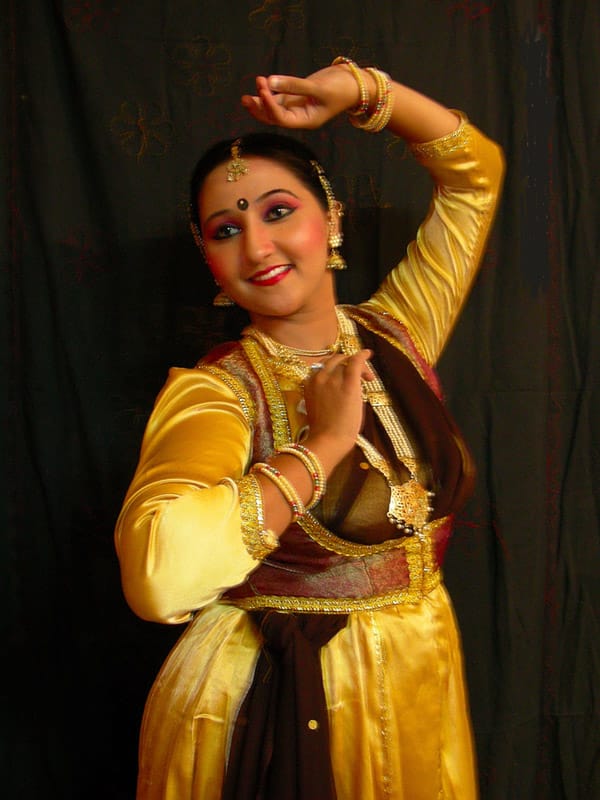
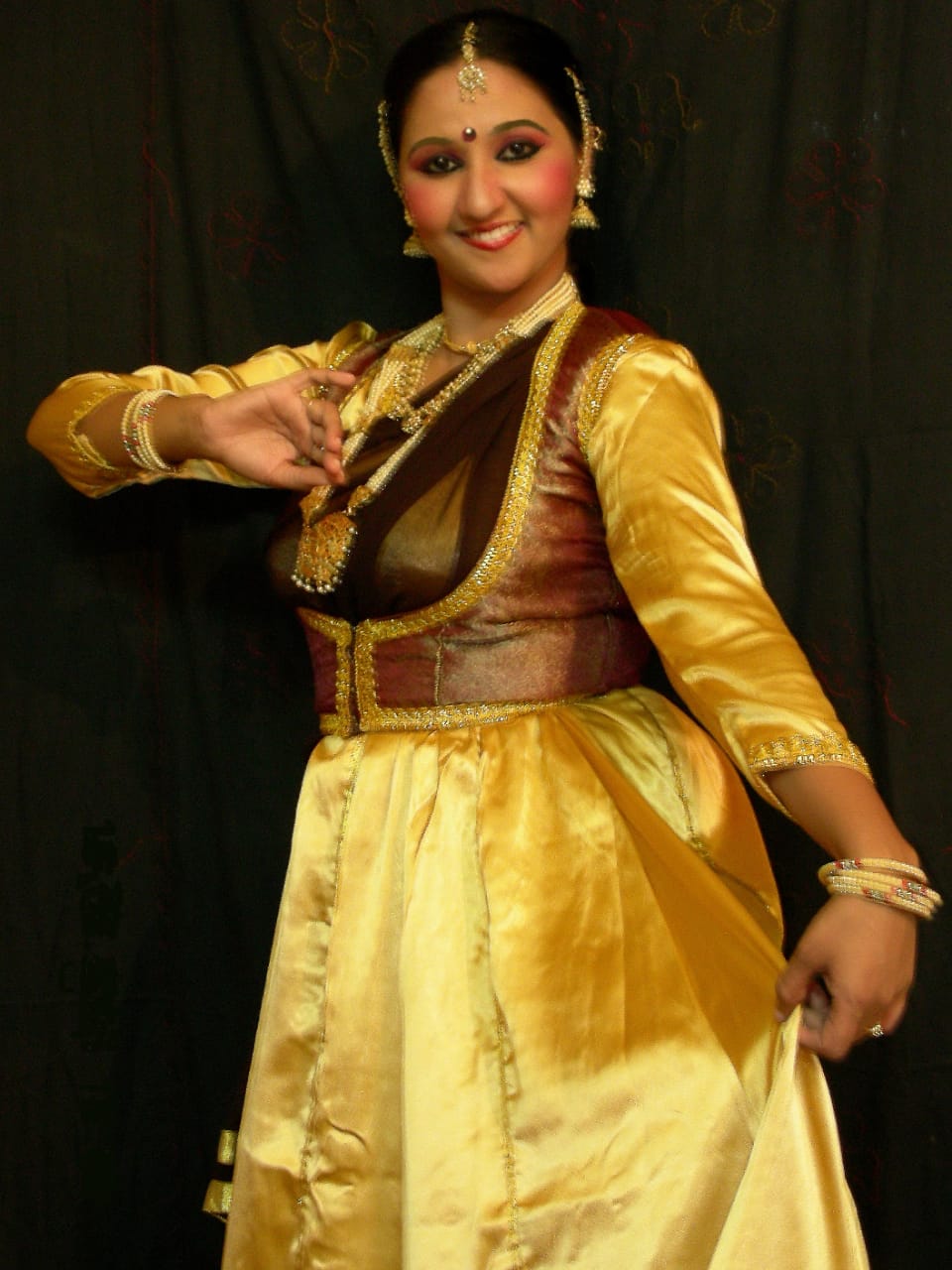
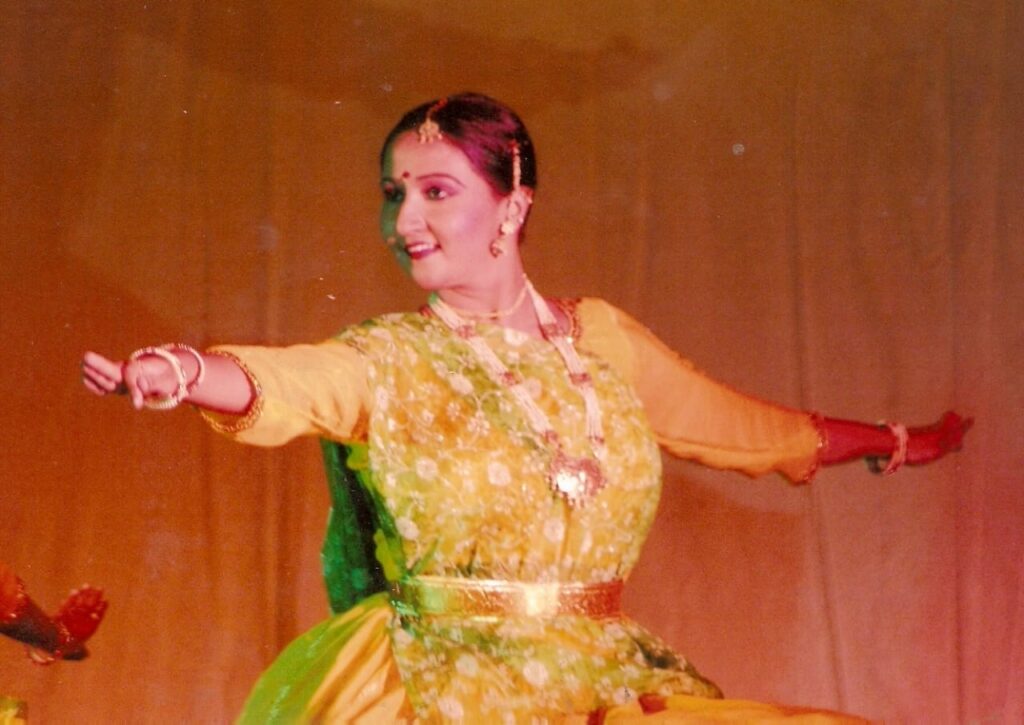
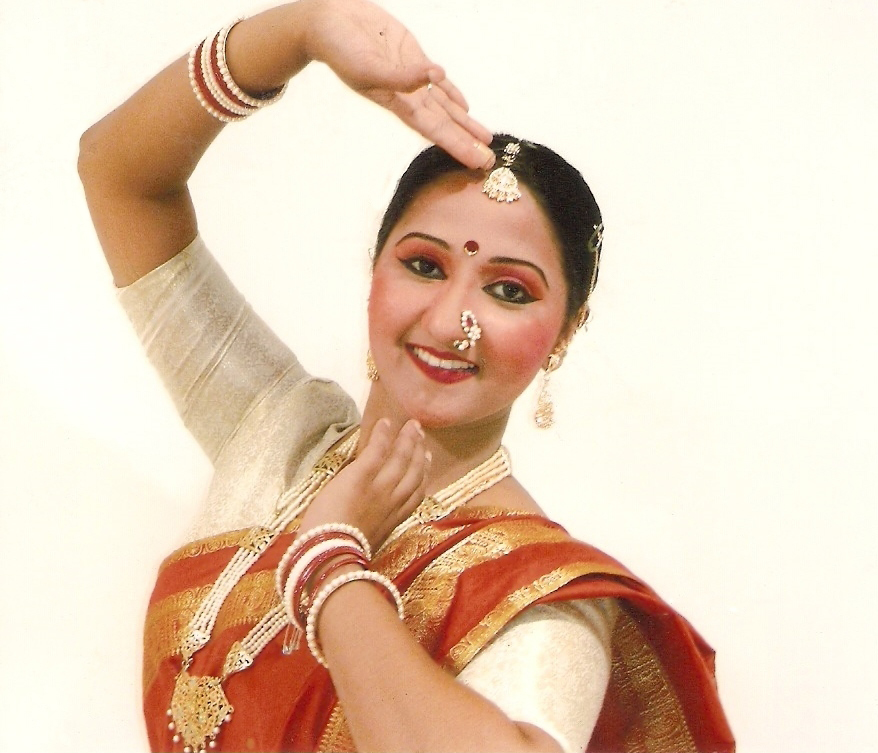
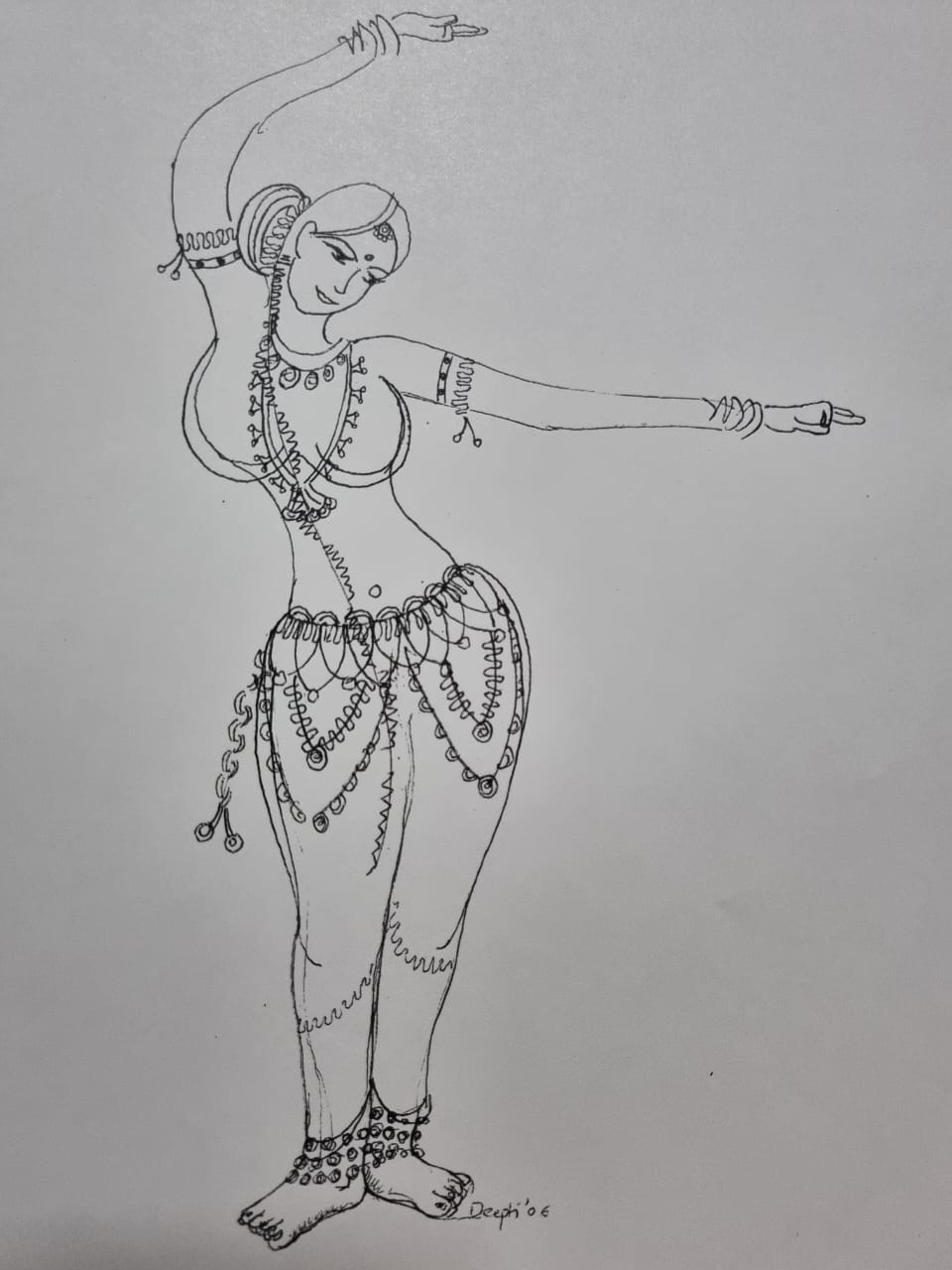
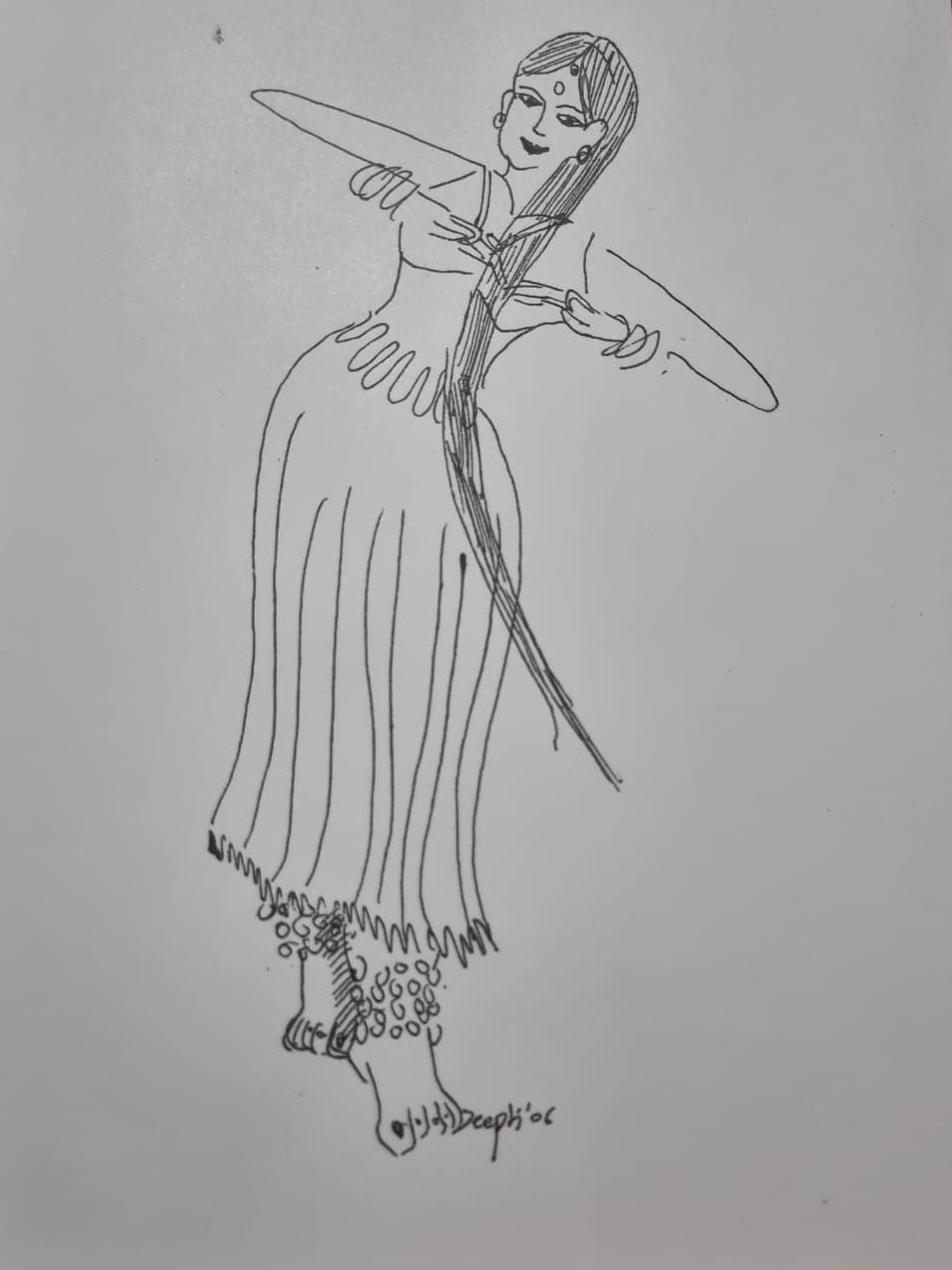
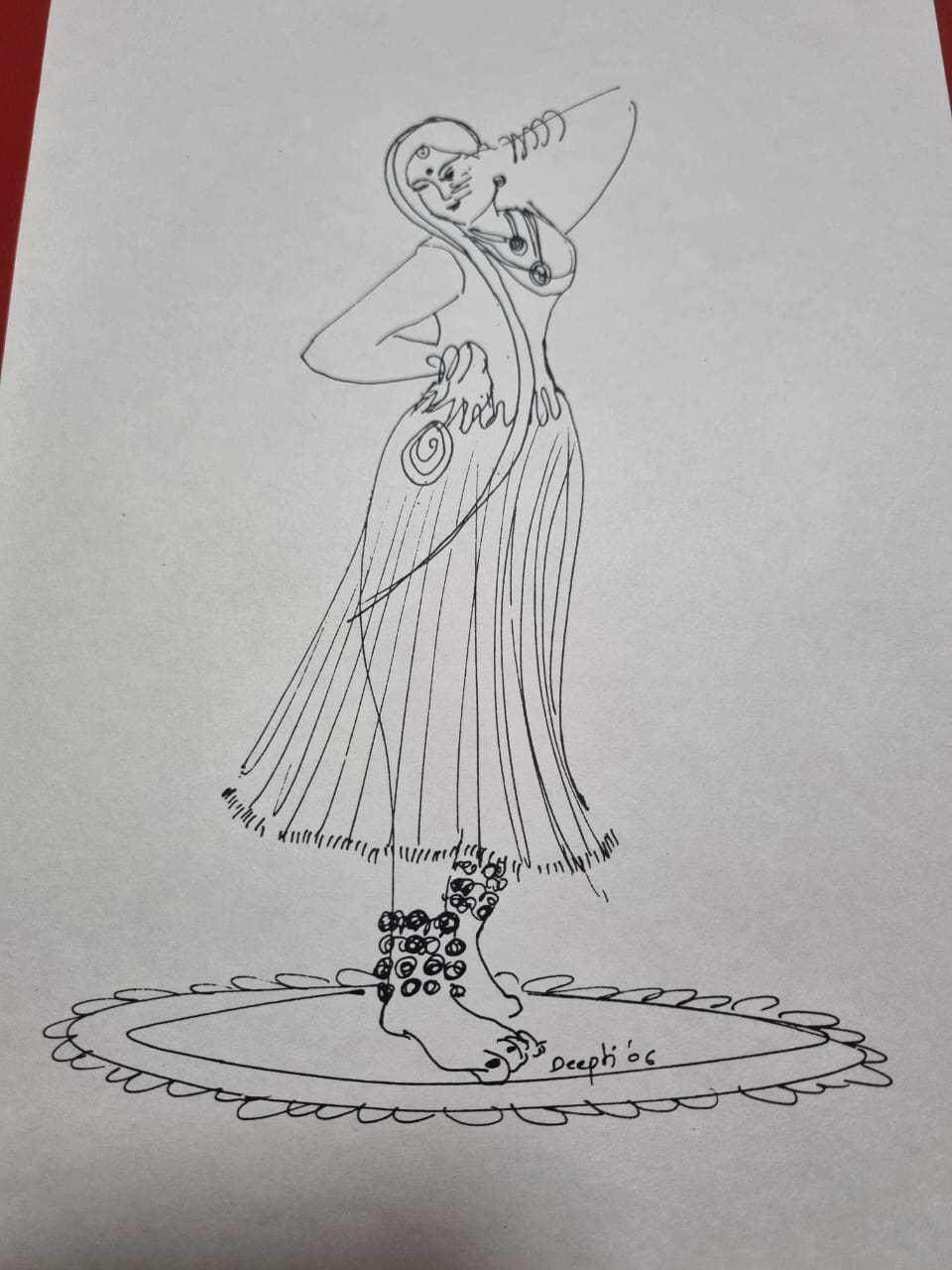
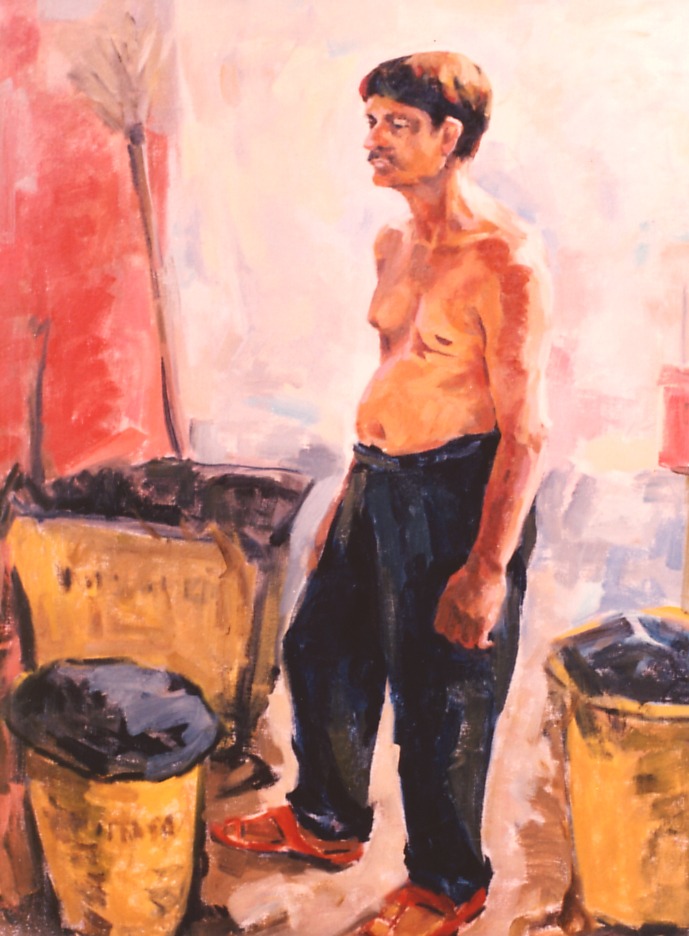
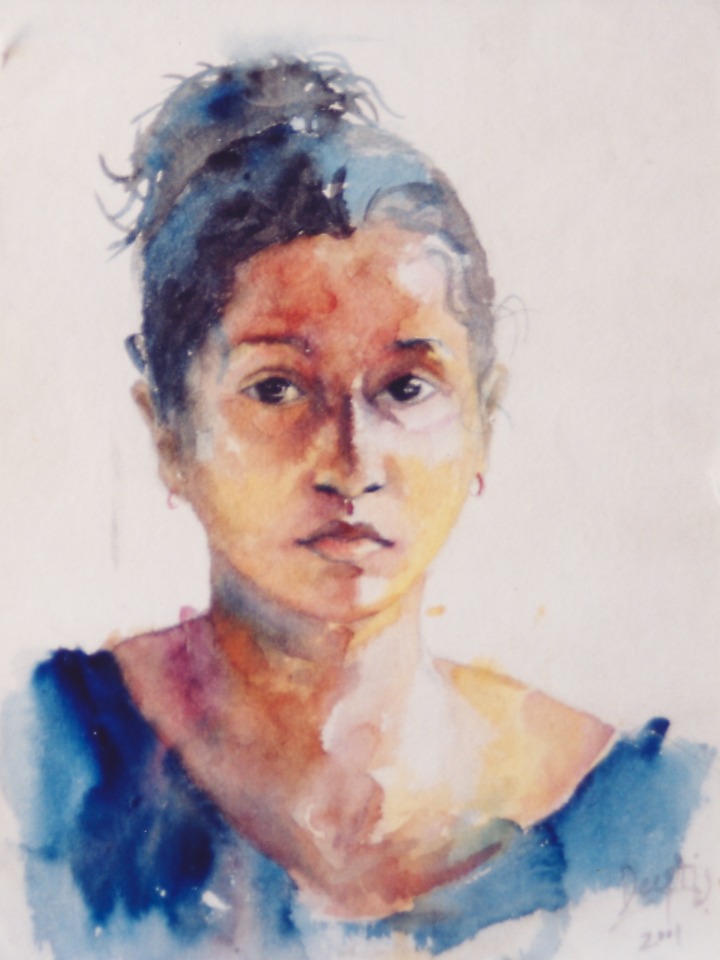
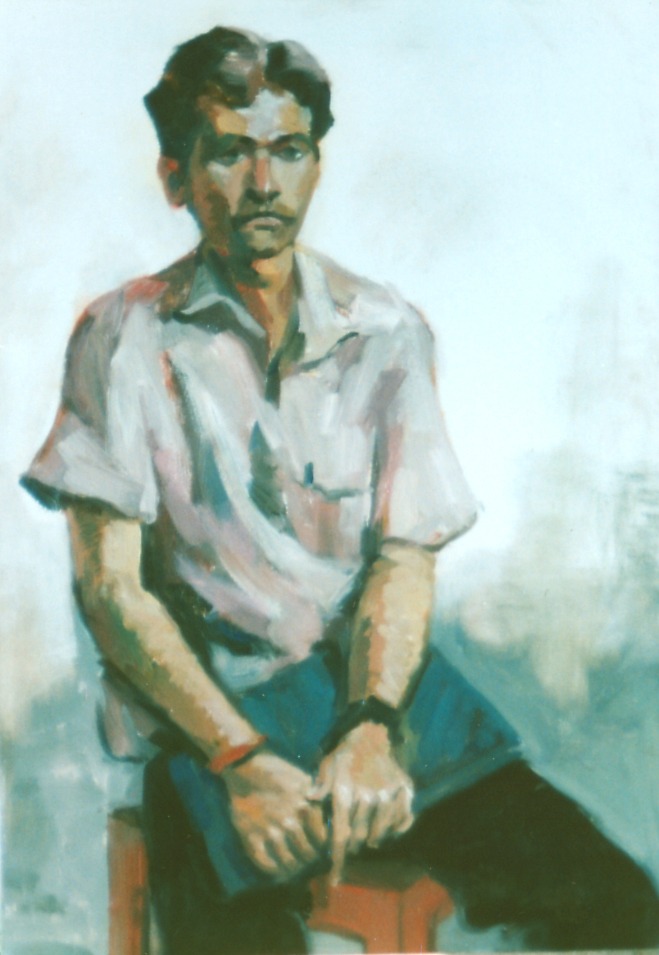
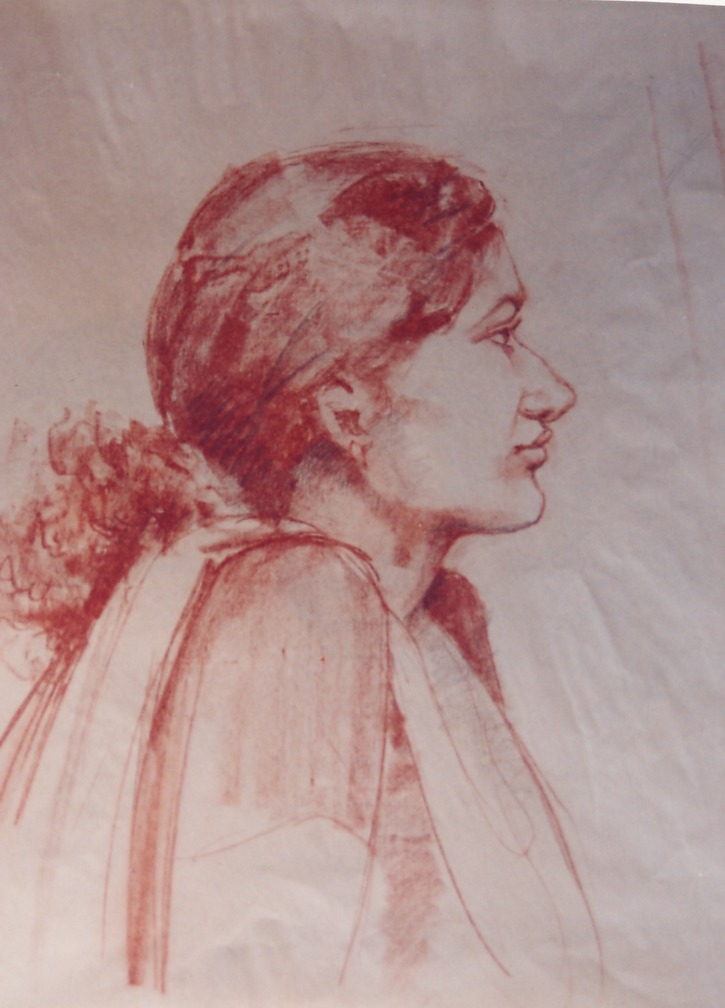
Mrs.Deepti Kulkarni was born to an artistic family in Mumbai, India. Her grandfather was a well-known painter and head of the painting department at the Sir JJ School of Art, Mumbai, India’s oldest art academy. Strongly influenced by her grandfather, Deeptiji was always interested in drawing and painting and inspired to be a painter like him.
Along with two great-uncles in the professional arts: drama, painting, and photography, as well as her uncle, an Indian classical vocalist performing in the USA and India, it is safe to say the arts and her musical environment made a deep impression on Deepti.
At fifteen, there came a turning point in her life while attending a workshop, and was introduced to the world of Indian Classical dance by an eminent dancer of the time. Deepti was thrilled with the amazing footwork, rhythmic hand movements, facial expressions, and the chakris (pirouettes). She made up her mind at the time that this was what she wanted to do with her life.
Ms. Mukta Joshi
Supported by her mother young Deepti pursued both arts at the same time, and began her journey into dance and painting. Deepti then went on to complete a Masters of Fine Arts in drawing and painting) at JJ School of Arts, and perused Kathak dance with the Jaipur Gharana from her Guru Ms. Mukta Joshi (Disciple of Padmashri, Dr. Roshan Kumariji). She completed Nritya Alankar in Kathak at Gandharva Mahavidlaya Academy, Pune.
Encouraged by her Guru to also learn the foundations of Indian classical music, through the years she continued to evolve learning ICM taals (Rythms), raags, singing and honing her skills in Kathak presentation.
Deepti has performed in annual programs at her institute, throughout India and international dance festivals In Shanghai, Seoul, Saint-Maurice, France and Cyprus.
Kathak and the Jaipur Gharana
Rajasthan has contributed to Indian culture with bright vibrancy and colour with a very strong cultural identity. Even when the Mughals invaded Indian Rajput’s did not lose their identity and gave a formidable fight to the invaders. They stood strong and protected their rich cultural heritage. Kathak has always been an integral part of Rajasthan’s rich and vibrant culture continuing to develop under the patronage of Rajput’s rulers.
Kathak is is derived from the Sanskrit word Katha, which literally means story. This dance form evolved and was given shape by wanderers that performed stories from mythological legends to worship God and entertain people. Since Jaipur was less influenced by Mughal culture as compared to Lucknow, the Jaipur Gharana is more inclined towards traditional techniques.
While the beauty of Kathak remains the same in all the gharanas, each one of them specialises in certain techniques and aspects of Kathak Jaipur style is best known for its marvellous representation or Veer Ras, which translates to ‘Bravery Genre’ and includes strong and swift movements. Kathak was conceived from Shiv Tandav (dance of Lord Shiva) which is also an aggressive dance form of Kathak with vigorous moves on fast beats requiring stamina and strength.
Since Shiv Tandav requires sturdy body postures, strong body movements and aggressive expressions. It was considered more suitable for men, and so for long time it was only men who performed this bold style. Consequently strength became an essential ingredient of the Jaipur Gharana. Fast dance moves delivered with perfection are the main feature of this style along with intricate powerful footwork, chakri and difficult layakari (rhythmic expression of numbers arranged in multiple patterns).
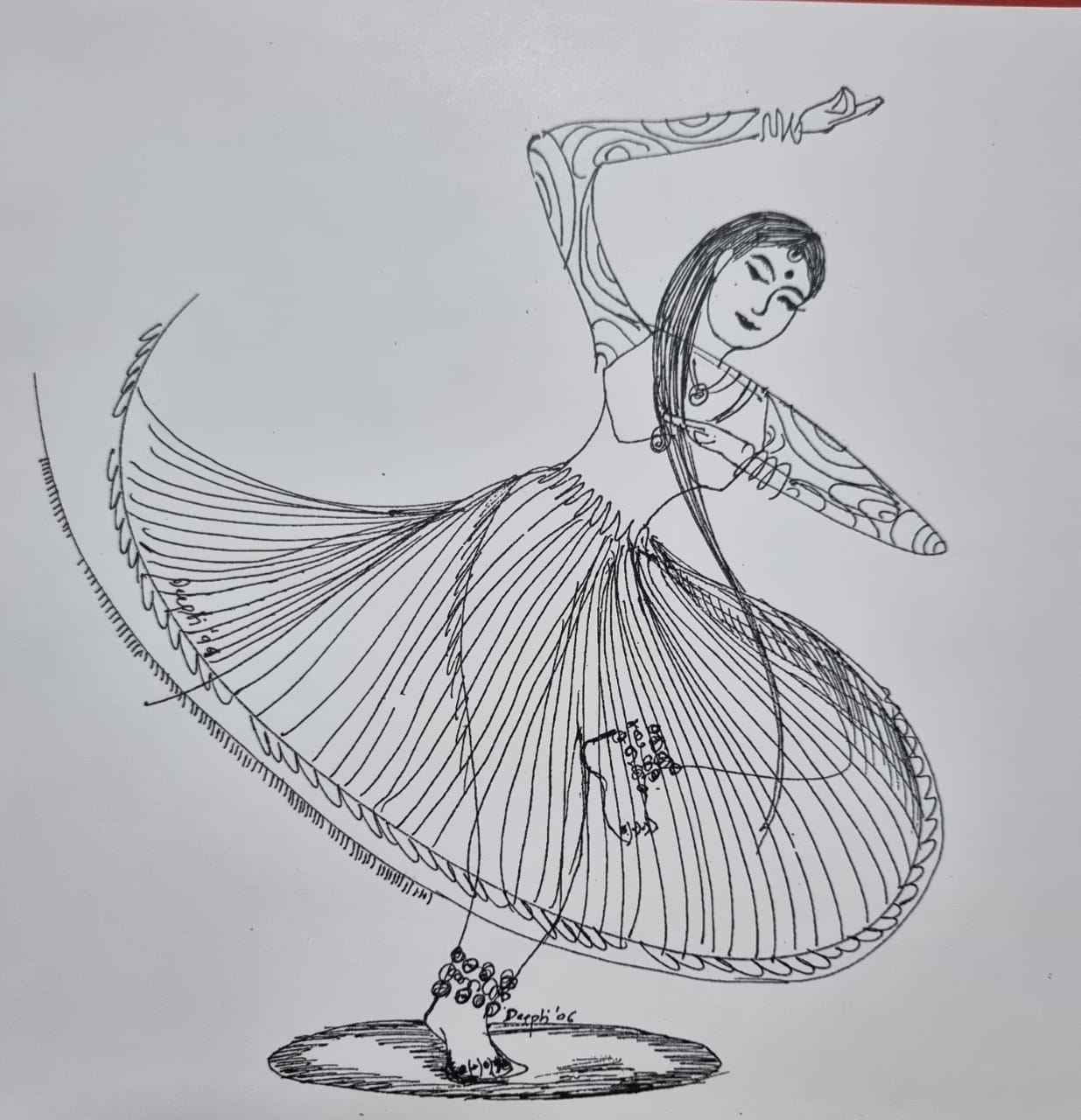
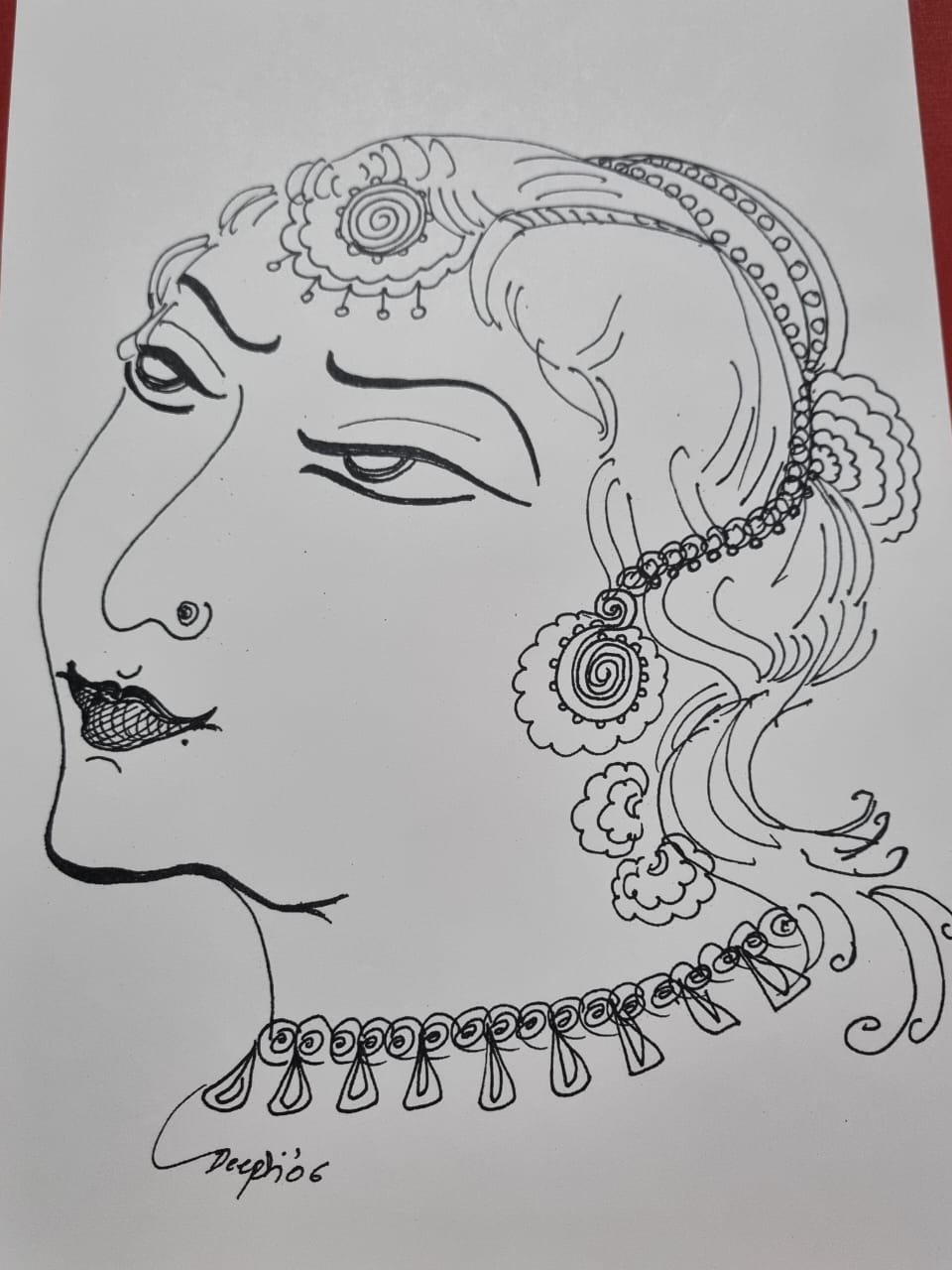
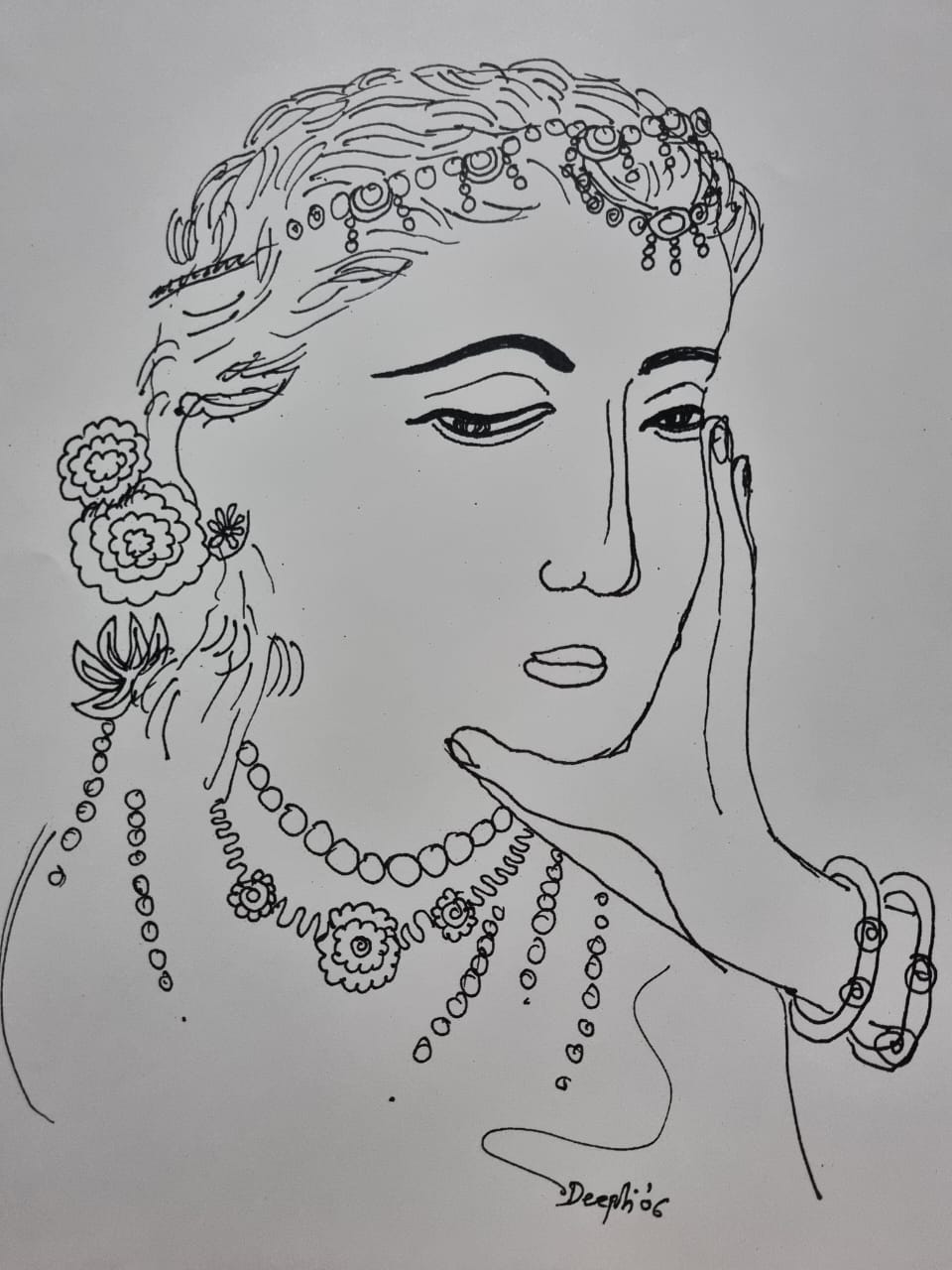
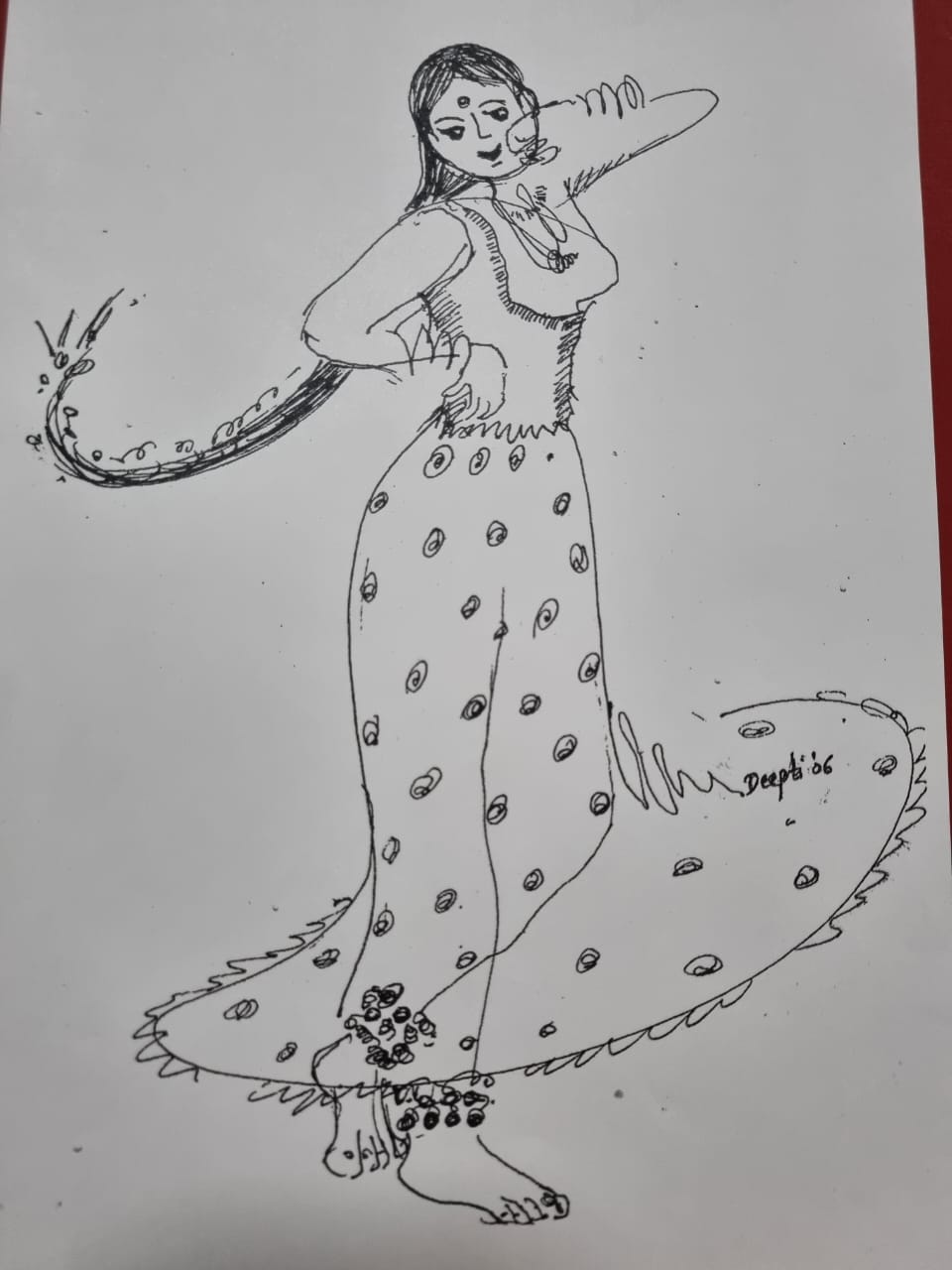
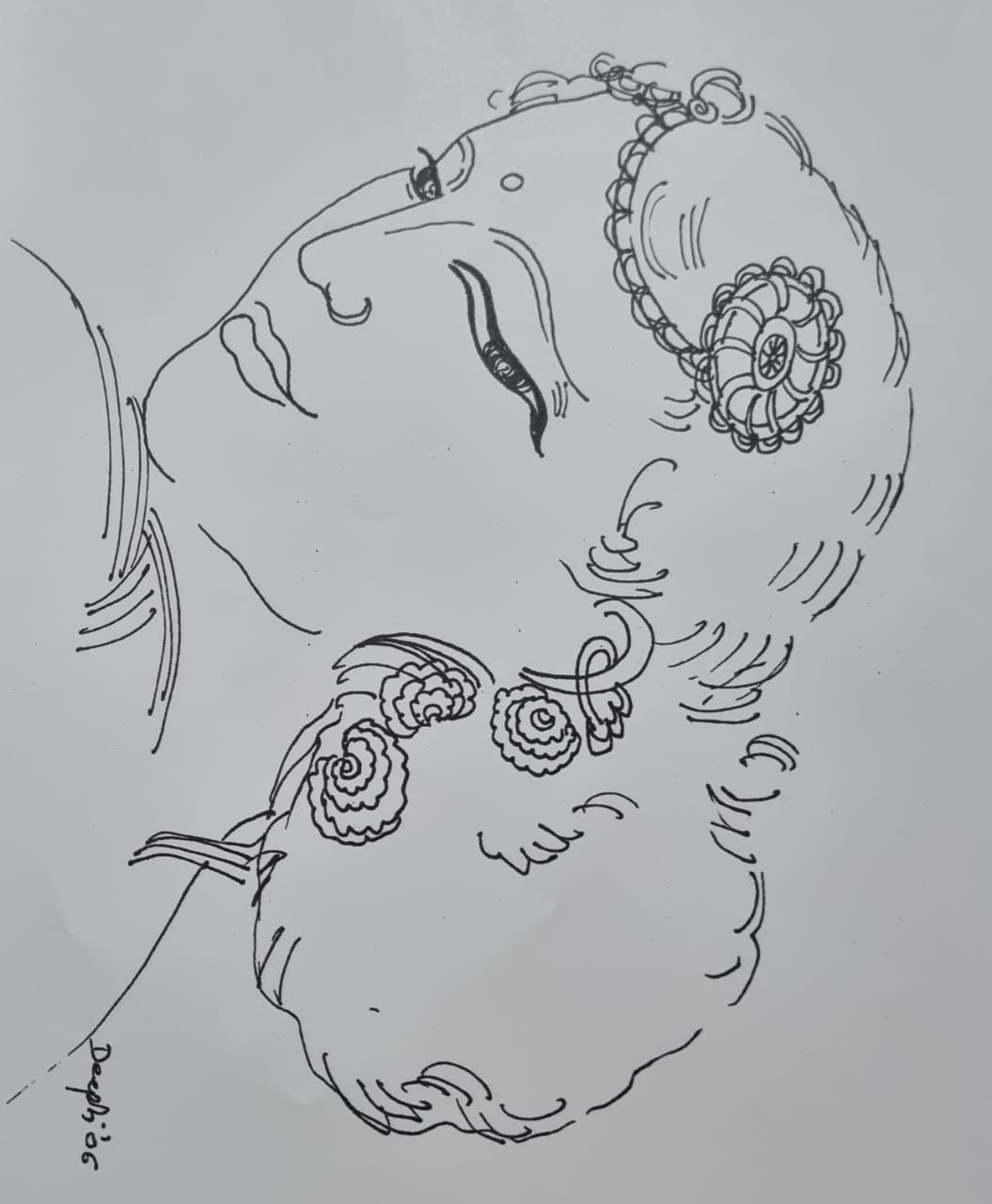
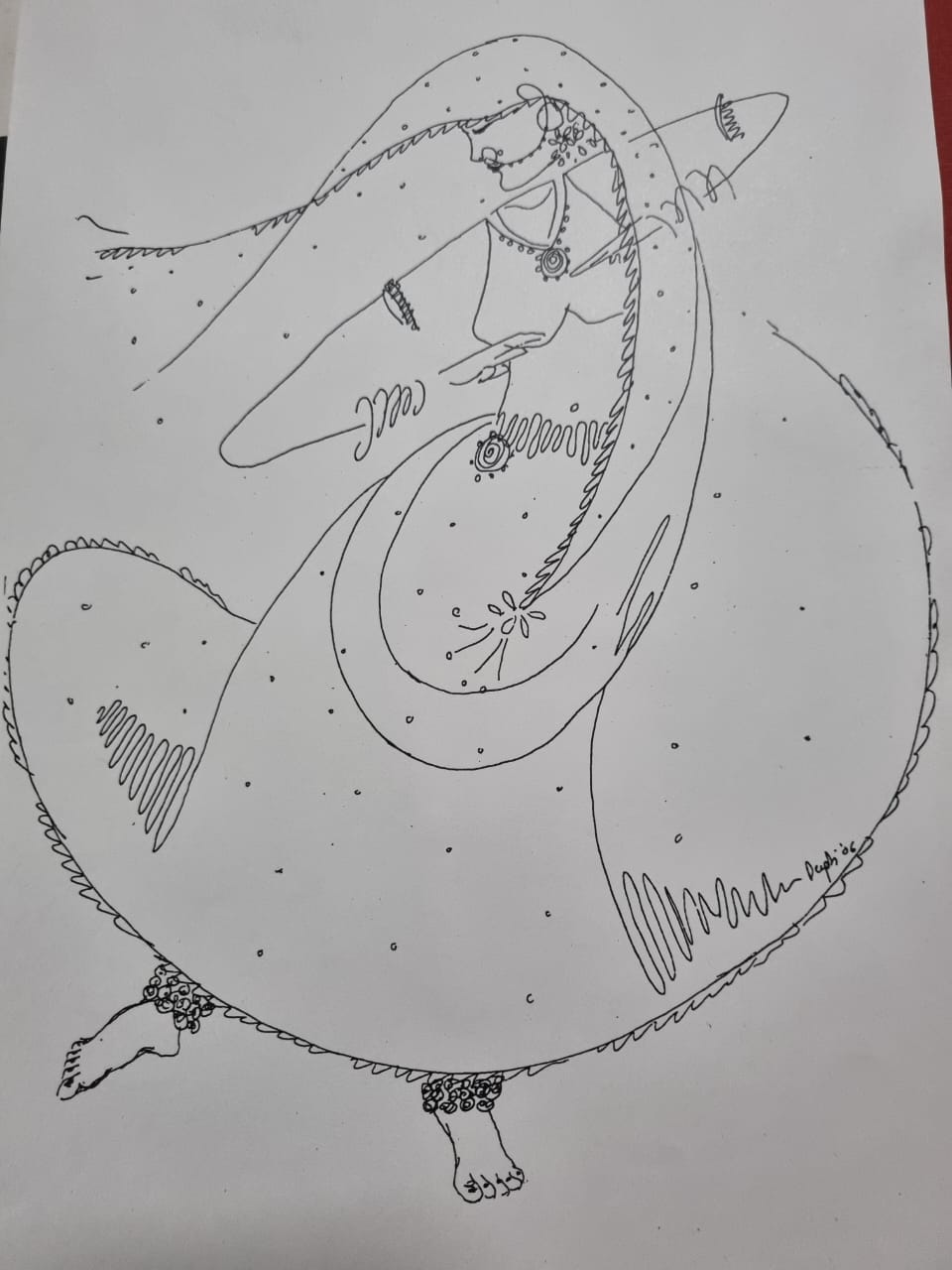
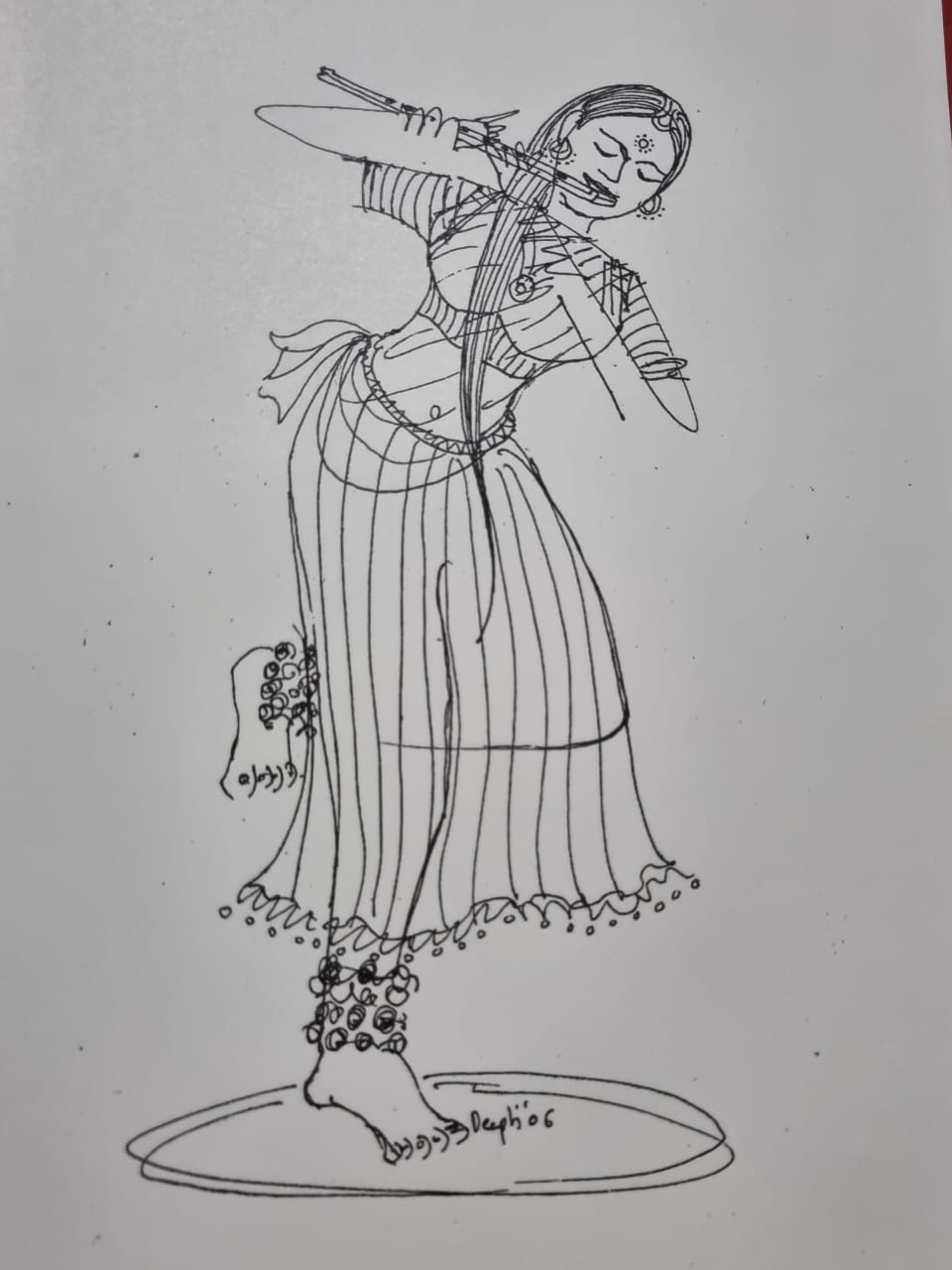
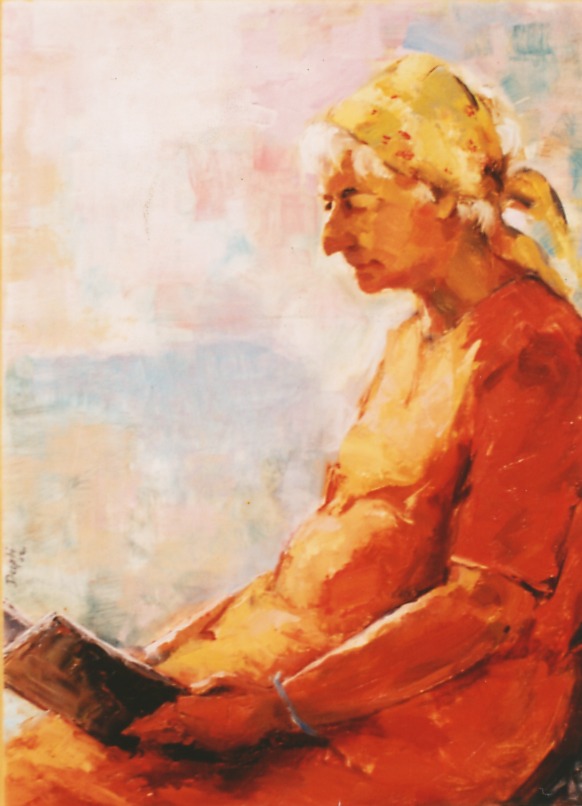
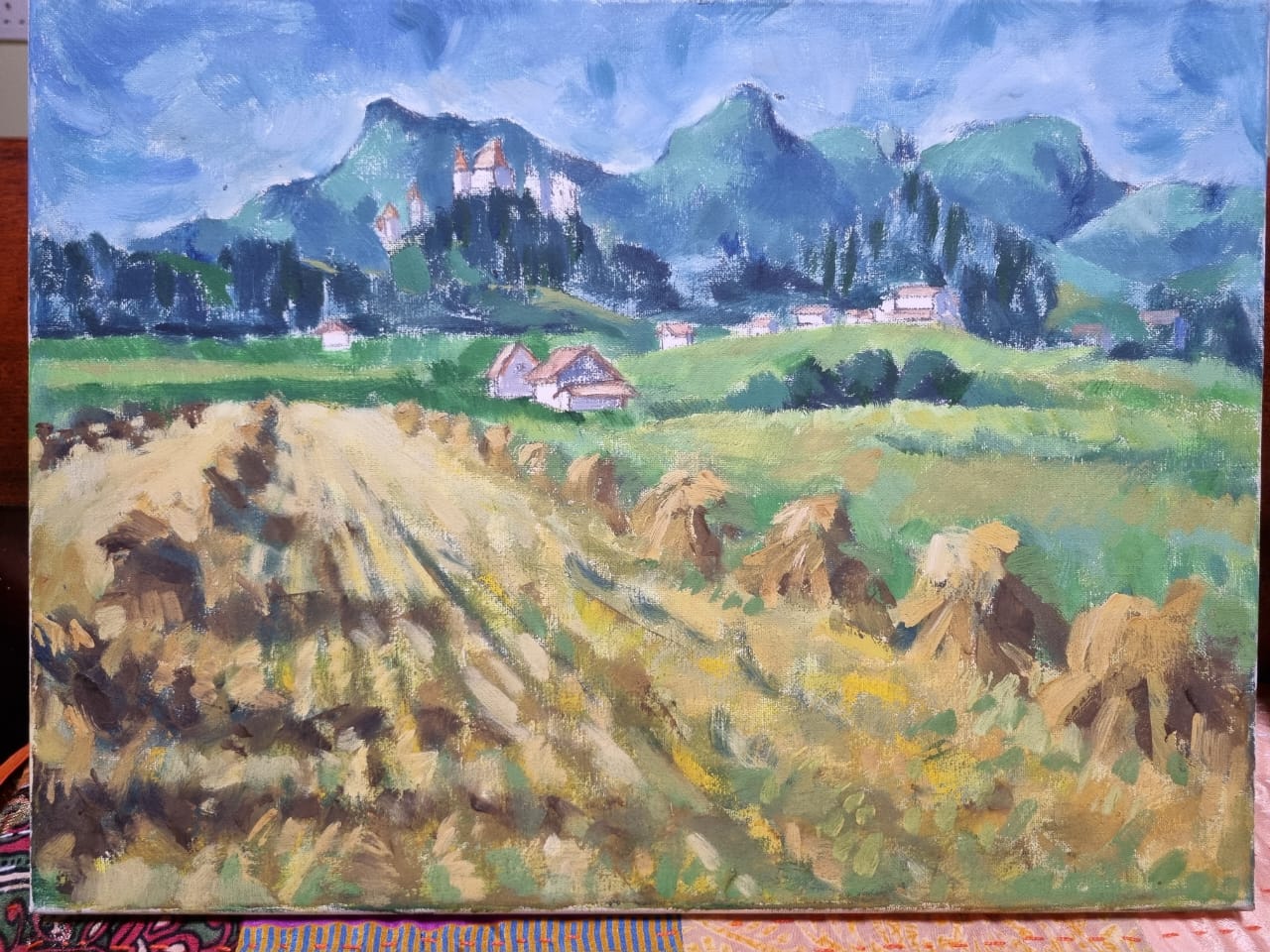
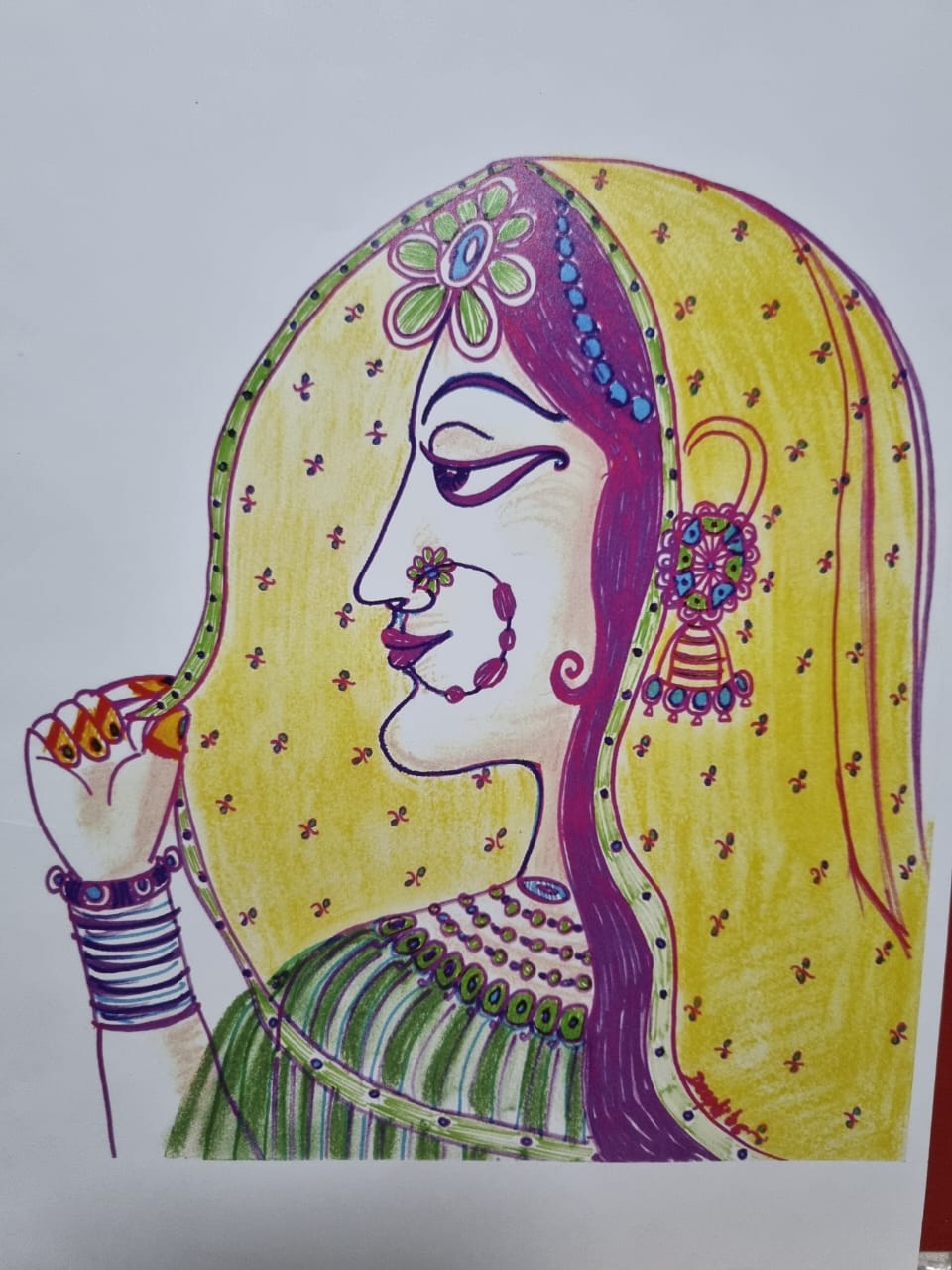
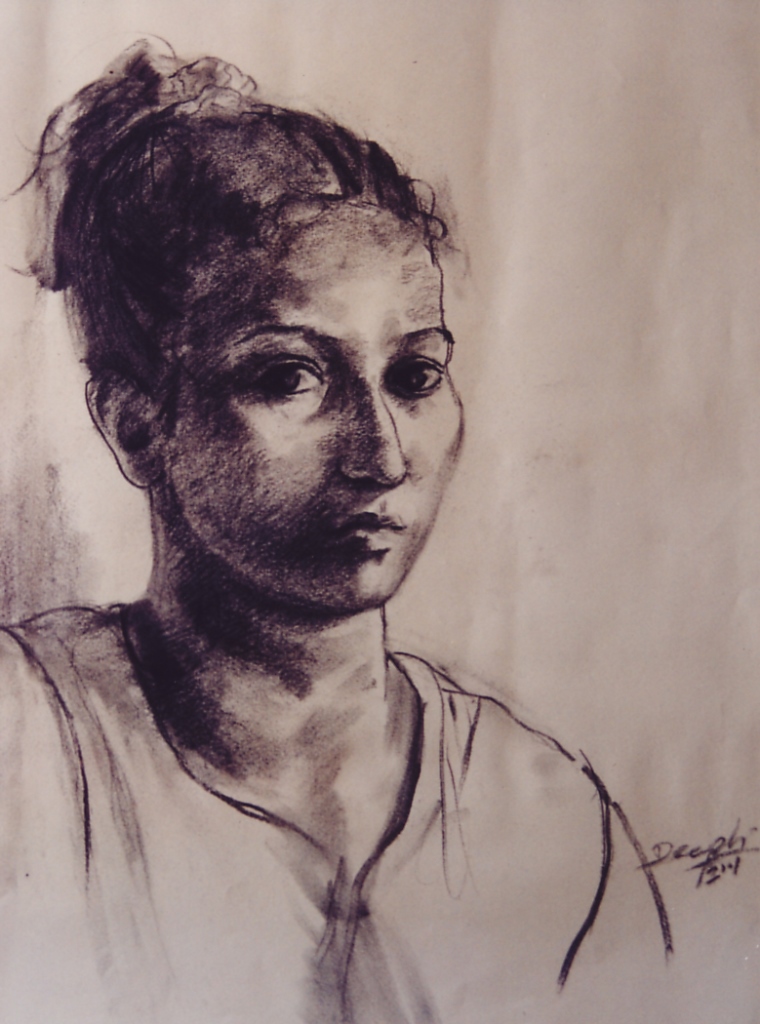
Now adept in the art of drawing and painting Kathak dance, Deepti relates both rhythm, drawing or painting to the rhythmic patterns that she performs on stage, as well as traditional painting.
“Learning art is a never ending journey of exploring new ideas, techniques and skills. A continuous process of development as a Human being I am very fortunate to be a part of that.”
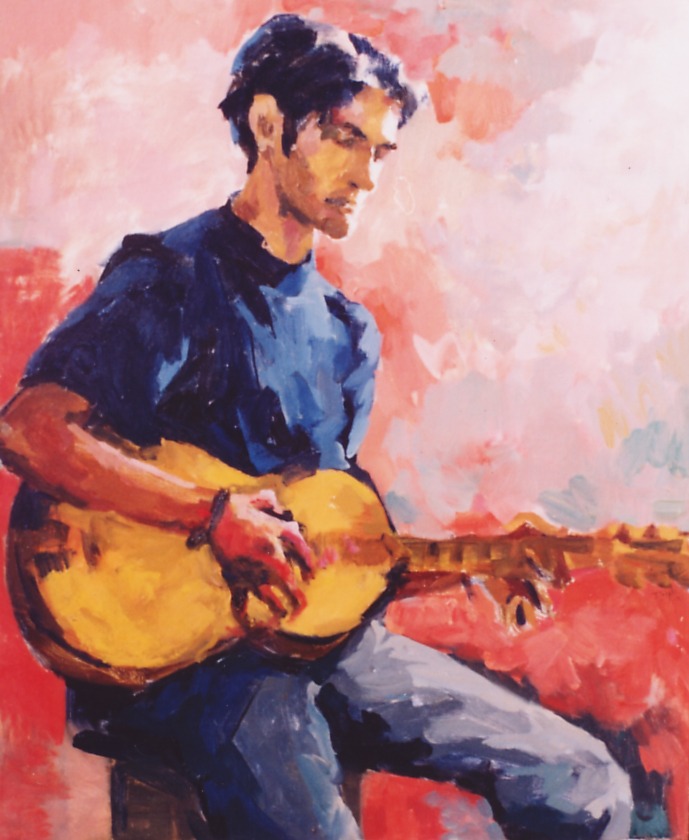
Art by Mrs. Deepti Kulkarni
We are fortunate to have Mrs.Deepti Kulkarni here in Cyprus for over a decade. Now settled here with her family, ICMACY look forward to collaborating with Deeptiji on her wonderful journey.